In the recent times, with the increasing use of digital technologies in the field of education, there is a need to re-examine school cultures and classroom teaching methods. There is a need for teachers to critically examine their role in the education system as being a transformative one. Traditionally, social science education has not been emphasized as much as other disciplines and teachers have not had opportunities to engage in teacher professional development programmes for social science education which requires them to understand and devise teaching methods that help students engage in dialogue, share their views and analyse the ways in which we function in society. Although digital technologies have the potential to deepen learning and provide access to quality educational resources, its use in social science classrooms is limited.
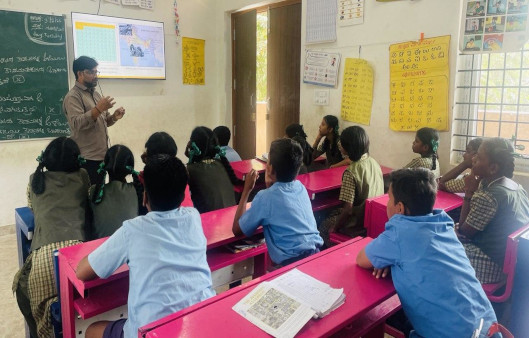
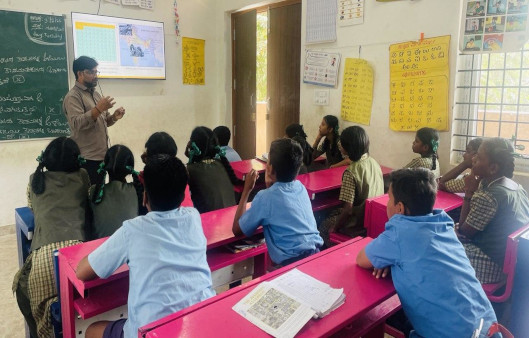
In 2024, the Karnataka government issued an order to conduct the "Naavu Manujaru” (We are Humans) program in schools to create awareness among children. The intention was to create a space for discussions in schools on the aspects of social harmony, scientific temper and coexistence through various activities and games. It is meant to include thoughts of social reformers, discussions on the elimination of inequality, and dialogue on constitutional values like equality, liberty and fraternity. To complement this, and address some of the above concerns, IT for Change, in collaboration with Avehi Abacus Project, and with support of Tata Trusts, launched the Social Science through Information Technology in Education (SOSITE) project in 2025. The new initiative aims to undertake teacher capacity building, and designing, developing and piloting of a module consisting of 30-35 sessions for class 6 and 7 students of government higher primary schools in Bengaluru, Karnataka. The program will build and strengthen knowledge, skills and perspectives in social science for teachers and students through critical understanding and reflection on social realities. This will involve meaningfully and contextually integrating digital technologies into content and pedagogical practices through visual storytelling and design of multimodal educational materials, thus enhancing civic education in schools.
This project aims to show how EdTech integration can improve social science teaching-learning by using it not only as a mechanism for presenting concepts/topics, but also as an enabler of discussion, thinking and creativity. Through the use of picture stories, digital narratives, interactive tools and audio-video by teachers along with critical pedagogies, it aims to develop future citizens who are committed to democratic values, compassionate and humane. This is not just about focusing on syllabus and marks in schools, but also to take children towards an education that makes them understand who they are and what their responsibilities are in society.